
Place
Land of Water
The Land of Water (Mizu no Kuni) also known as the "Land of Mist" (Kiri no Kuni)
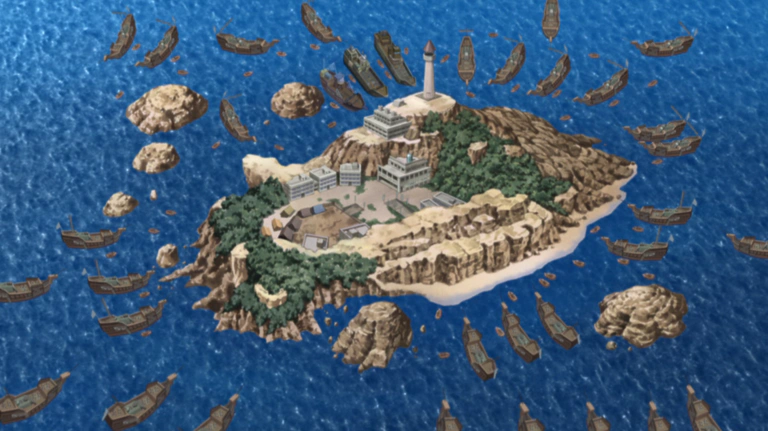
The Land of Water (Mizu no Kuni) also known as the "Land of Mist" (Kiri no Kuni). It is composed of many islands, with each having its own unique traditions. The country's weather is typically cool and the islands are usually covered by mist. The islands themselves also feature many lakes. In some places, like the area where Haku grew up, it is very cold and snows quite a bit. The nation is oriented towards the element of water. Its government leader is the Water Daimyō.

Little is currently known about the country and it apparently leaves itself out of most political affairs, which is understandable considering that it is composed of vast islands relatively remote from the continent containing the other four major countries. What is known, however, is that the country used to be ravaged by many civil wars, during which clans with kekkei genkai were used extensively, causing many to view them as harbingers of war and death, leading to purges and genocide to the point of parents killing their own children. Many clans went into hiding, such as the Yuki clan. The Funato clan, one of the oldest clans of the Land of Water, has always been at odds with the country and Kirigakure in regards to their goals to pacify the seas, leading to many plunders and internal conflicts. Fifteen years after the Fourth Shinobi World War, the Land of Water grew uneasy with the Land of Waves and Land of the Sea over their continued expansion, to the point of not wanting to sign a treaty that would give them further stability, even against the wishes of Kirigakure, who would also benefit from more stability.
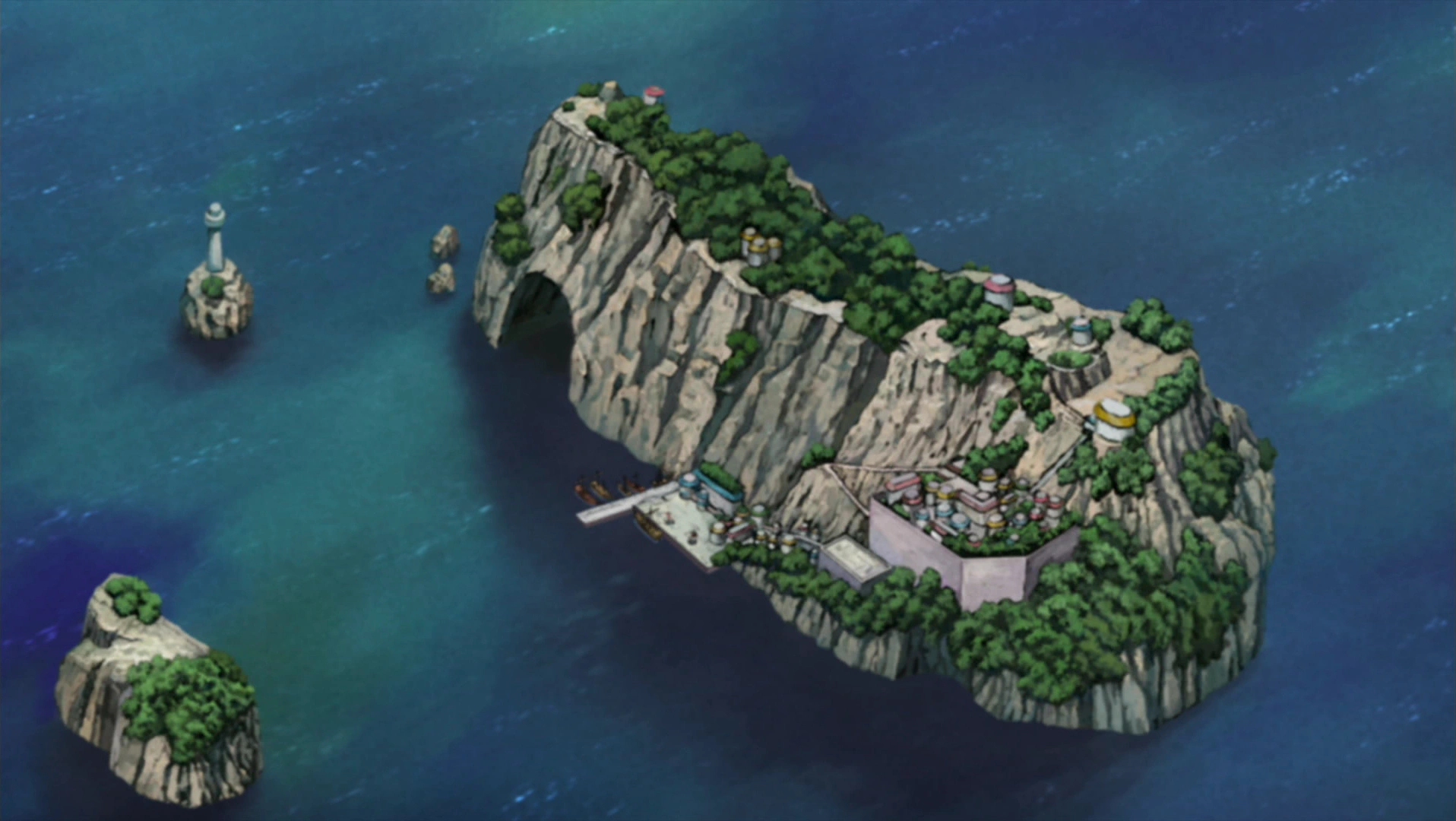
Sea of Death
The Sea of Death (Shi no Kai) is a sea route in the Land of Water, known for its fierce winds that makes it difficult for ships to pass through. It is the shortest route from the Funato clan's island to Shinonome 1, hence Ikada's choice of travel to launch a surprise attack against the sea station.
Sources
Adapted from the original article, under CC BY-SA 3.0.