Lore
Genjutsu
One of the main jutsu categories which uses chakra
Genjutsu is one of the main jutsu categories which uses chakra. Unlike ninjutsu, the effects of genjutsu are not real, being only sensory illusions experienced by those who fall victim to it, such as hypnosis and hallucinations. According to the Second Mizukage, genjutsu falls under the broad category of Yin Release.

To perform a genjutsu ninja pour chakra into their target, which can be done through various means such as eye contact, sound, or even using a finger as a medium. A genjutsu is created when a ninja controls the chakra flow through their targets cranial nerves, thereby affecting their five senses; this is frequently used to create false images and/or trick the body into believing it has experienced physical sensations such as pain. It is further explained in the anime that, because genjutsu affects activity throughout the prosencephalon structure of the brain, humans, dogs and other species of mammal are therefore all affected by genjutsu; however, the kikaichū, like all insects, lack such a structure to their brains, and so do not even notice it: as Shino Aburame put it, insects are ruled almost solely by their senses alone, which makes them immune to most genjutsu, with exception of unique genjutsu such as Tsukuyomi, and gives the Aburame clan an ability to detect it, even when heightened senses become susceptible.
Genjutsu can also be used to manipulate others - similar to brainwashing - by feeding the victim illusive suggestions. Methods include integration with nature transformation, as shown with Water and Lightning Release, and in the anime, ingesting special pills that activate when the target sleeps. Audible genjutsu is deemed the most dangerous because the user can trap victims from long distances. Genjutsu can also be placed into the environment for it to appear different. This use of genjutsu is useful to turn the environment to their advantage, such as masking the entrance to a hideout, allowing a ninja to hide in it better.
Despite its usefulness, genjutsu is rarely employed, most shinobi preferring the real, tangible effects of ninjutsu and taijutsu over the imagined effects of genjutsu which hold little influence over the physical world. The difficulty of performing genjutsu in the first place presents an additional barrier to its use: genjutsu require precise chakra control in order to manipulate the target's senses as well as advanced intelligence to make the illusion convincing, a particular sense to invoke, special talent (tokubetsu sainō), making it particular which prospects can use it (such as so-called genjutsu types (Genjutsu Taipu)), these being prerequisites such that even someone as skilled as Jiraiya lacks. Some with a particular aptitude, however, are able to specialise in and master genjutsu, with Kurenai Yūhi being regarded as one of Konoha's experts in the field and members of the Uchiha clan being particularly feared because of their Sharingan's generic genjutsu. According to Hagoromo, the Byakugan can also be used to extend the range of genjutsu.
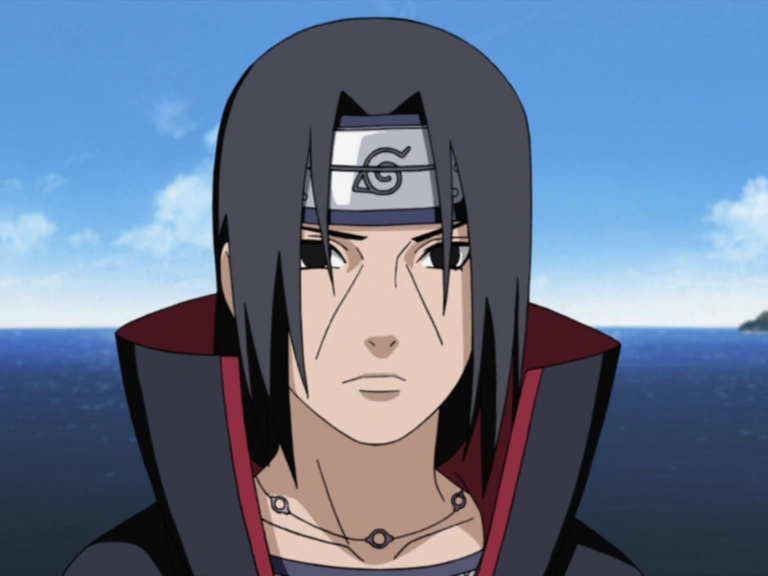
Those under the influence of genjutsu will either appear to be unconscious or continue to move around under the pretence of the genjutsu. The former may be used to prevent or immediately end confrontations by trapping a target within an imagined scenario, leaving them physically vulnerable but requiring further skill and effort on the part of the genjutsu user to establish and maintain. The latter is very effective in extended battle as a genjutsu user can make themselves appear to be somewhere else and attack the victim from behind or change the environment to make the victim see a flat plain where there is a steep cliff. Alternatively, a genjutsu user can create relatively small differences in the environment, which is more effective for intel gathering. For example, Itachi Uchiha was known to cast a genjutsu upon meeting someone, and that person's reaction to Itachi's image in the genjutsu would help him understand them better while keeping himself safe.
Countering
There are several options to combat genjutsu:
A victim's chakra flow, if disrupted enough, can break the caster's influence. This "Genjutsu Dissipation" (Genjutsu Kai) or "Genjutsu Reversal" (Genjutsu Gaeshi) can be done by the victim themselves, (assuming they realise they're under a genjutsu's influence) or an ally who emits chakra into them. This countermeasure, used against Sharingan, was invented by Sunagakure during a Shinobi World War. Jinchūriki who have formed a good relationship with their tailed beast prefer the latter method whenever they need it.
Pain that is not caused by the genjutsu can bring victims back to their senses.
If a caster's vision is obstructed, such as by the Hiding in Mist Technique, that at least prevents the use of ocular genjutsu.
Powerful Wind Release techniques are noted to be the natural enemy of sound-based genjutsu, as they can blow away the soundwaves.
Possessing a Sharingan makes it easier to counter genjutsu as their acute vision allows them to recognise its flaws and influence. They can also free others from genjutsu by inserting themselves into the opponent's illusion and release it.
Deidara is somehow able to condition his left eye to break genjutsu.
In the anime, kikaichū are impervious to genjutsu because their brain structures aren't sophisticated enough, allowing members of the Aburame clan a method to identify and counter genjutsu. This is contradicted in the novels, in which Itachi Uchiha was able to affect the Kochū with Tsukuyomi.
In the anime, strong smells, such as those from Chilli Pepper Bombs, can counteract genjutsu.
In the anime, Kabuto Yakushi attempted to use his own genjutsu on himself in order to override the one Itachi Uchiha placed on him, though due to the complex nature, it failed.
Sources
Adapted from the original article, under CC BY-SA 3.0.