Lore
Kage
Kage is a title reserved for the leader of one of the Five Great Shinobi…
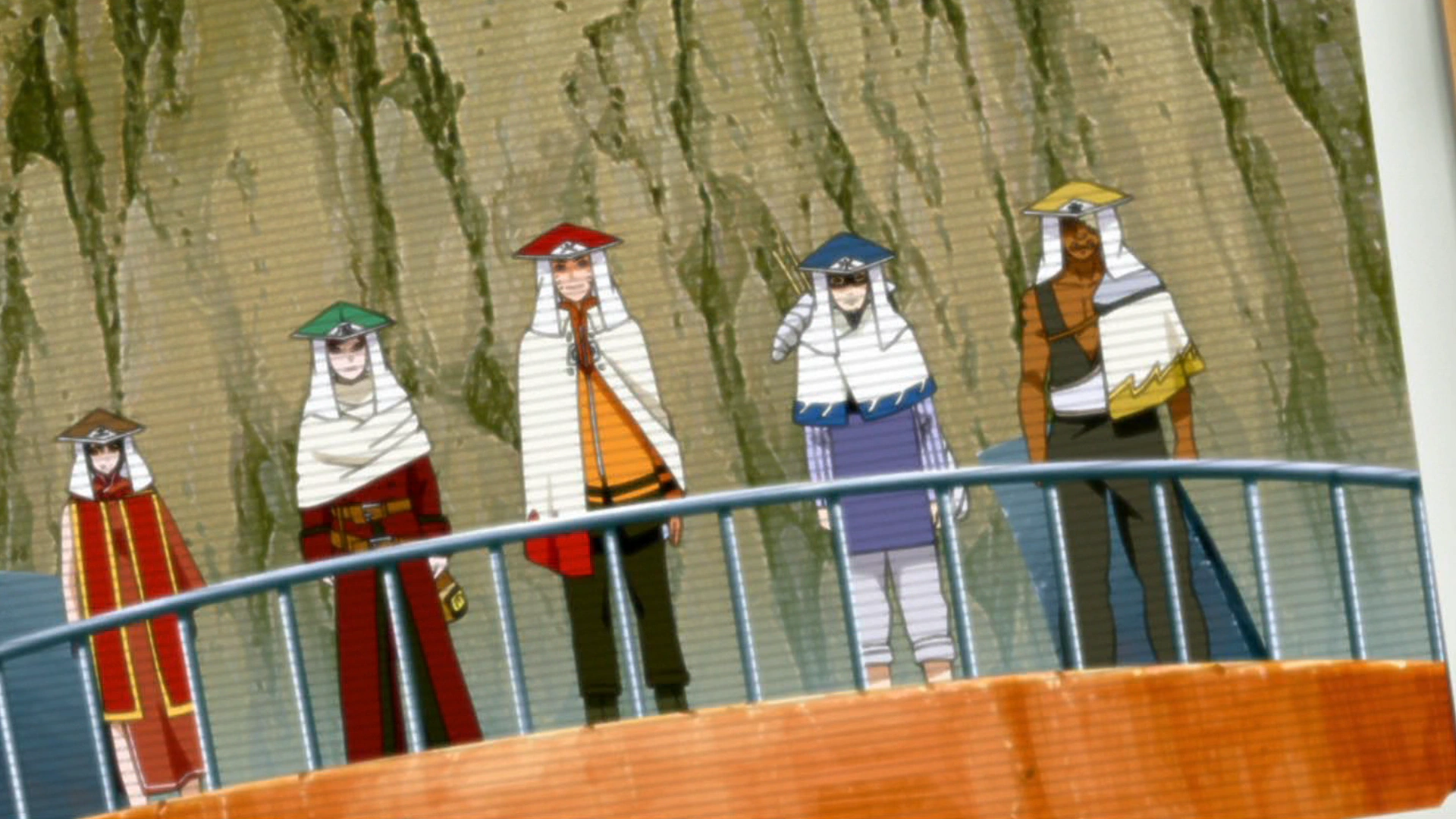
Kage is a title reserved for the leader of one of the Five Great Shinobi Countries' hidden villages. They are collectively known as the Five Kage (Gokage). A Kage oversees the activities of their village, from sending ninja on missions to making the hard decisions regarding the safety of their people. A village's Kage is generally acknowledged as its most powerful ninja. The Five Kage are renowned as as standing at the pinnacle of shinobi of the continent, and the strongest shinobi.

Background
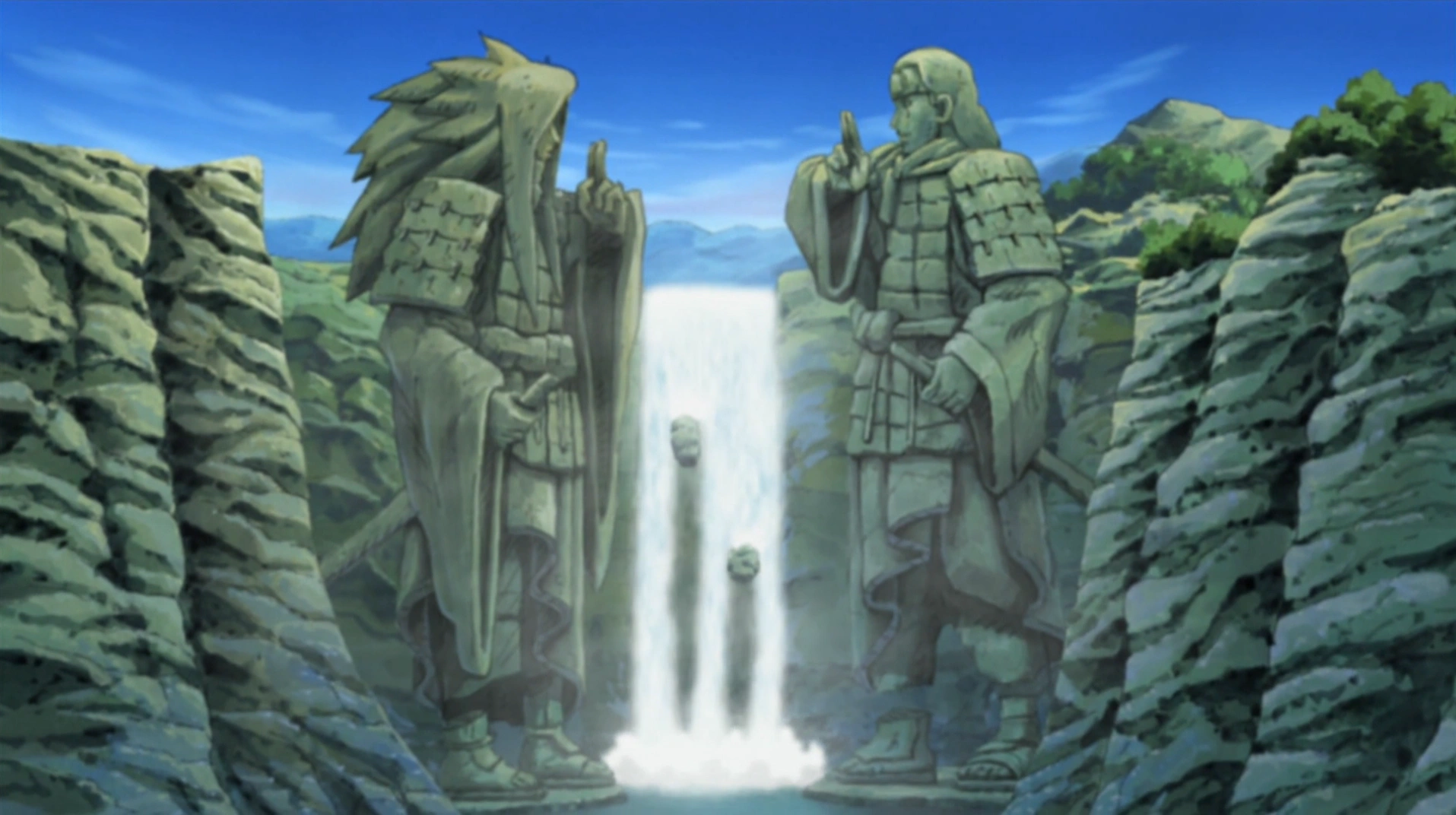
The title was originally created by Hashirama Senju soon after the formation of Konohagakure, making him the first Kage to exist after being elected by the population of his village and country. After the creation of the position, other nations praised the innovative system that had been created and soon began to imitate.
Each village has its own name for its Kage: As a Kage's primary concern is their village, interaction between the Kage is rare; only during treaty-signing ceremonies or shared public events has a Kage been seen to interact with one of his or her peers. The only time that all five Kage are together is during a Kage Summit, which can be convened by any of the five to discuss topics that apply to all of their villages.
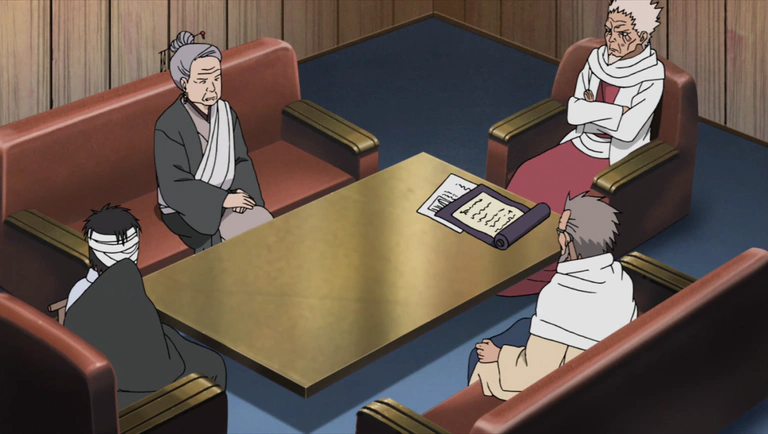
How a Kage is appointed appears to differ from village to village. In Konoha, the Hokage typically appoints their successor. If the Hokage dies or is otherwise incapacitated before they can choose a successor, the selection falls to the Land of Fire's daimyō who is advised by his committee as well as the village's elders, the Jōnin Commander and a representative of the Anbu. This appointment must then be approved by Konoha's jōnin. In Kumo, after the Third Raikage died, his son automatically became Fourth Raikage, a decision made many years earlier. If a Kage should ever choose to retire they will keep their title for the rest of their life, and can assist the new Kage with decision-making and other responsibilities. A retired Kage can even return to full-time leadership if their successor dies, as the Third Hokage did when the Fourth Hokage gave his life to save Konoha, being unable to find anyone both suitable and willing to take on the title of Fifth Hokage at the time.
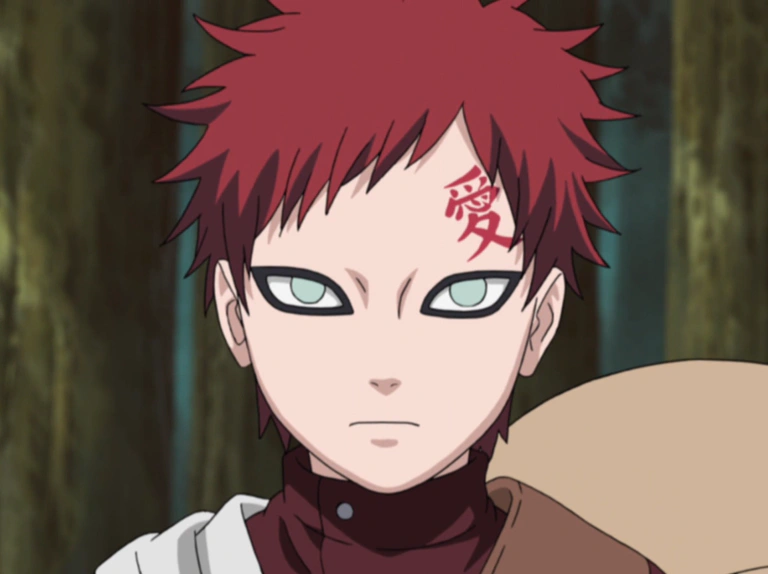
Despite a Kage being the most powerful shinobi in their respective village and their importance in leading them to prosperity, they were not immune from criticisation for any controversial decision or birthright, as the Third Hokage was frequently looked down on by his council for being too inclined to negotiations over more forceful measures, and the more prejudiced (and corrupt) members of the Suna Council against Gaara taking the position of Fifth Kazekage. The most extreme example of a village being against a Kage was the despotic Fourth Mizukage, who ruled over Kirigakure tyrannically, leading to his subjects demanding him to be executed, and resulting in an unusually high number of shinobi defecting or even tried to assassinate him. Konohamaru Sarutobi feared that if Shikamaru Nara is revealed to have assisted the escape of the missing-nin, Boruto, he would be removed from his position as the Eighth Hokage.
Because jinchūriki were so important to their village, it was a tradition for a jinchūriki to be a relative of the current Kage, both to strengthen the jinchūriki's loyalties to the village and to display the Kage's might. For example, Killer B is the adoptive brother of the Fourth Raikage and Gaara is the son of the Fourth Kazekage.
The Hokage of Konohagakure.
The Kazekage of Sunagakure.
The Mizukage of Kirigakure.
The Raikage of Kumogakure.
The Tsuchikage of Iwagakure.
Sources
Adapted from the original article, under CC BY-SA 3.0.