
Thing
Sword of Totsuka
Variant of the Sword of Kusanagi
The Sword of Totsuka, also known as the Sakegari Longsword (Sakegari no Tachi), is a variant of the Sword of Kusanagi. Being a spirit sword (reiken) sheathed in a sake jar, its blade is unlike any other — rather than taking a conventional form, it is actually the liquid inside the gourd that is released and shaped into a blade.
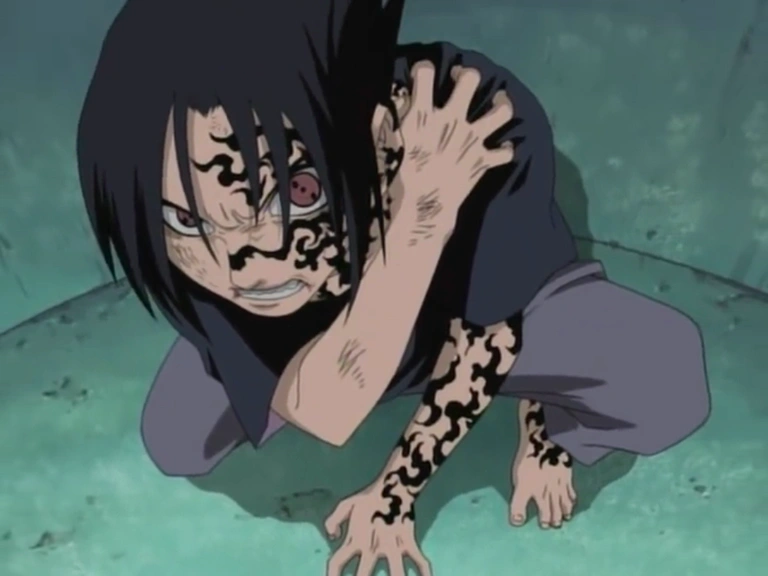
The Totsuka Sword is an ethereal weapon whose blade, emerging from a sake jar, is enchanted with a sealing jutsu: anyone stabbed by the blade will be swiftly drawn into the jar and become trapped in a "genjutsu world of drunken dreams" (suimu no genjutsu sekai) for all eternity. Itachi was able to use his "sealing sword" (fūinken) to completely remove the Cursed Seal of Heaven from Sasuke Uchiha when he extracted Orochimaru from Sasuke's body and sealed him in the jar, and he was also able to remove Nagato's soul from his body after Kabuto used the Summoning: Impure World Reincarnation to control him.
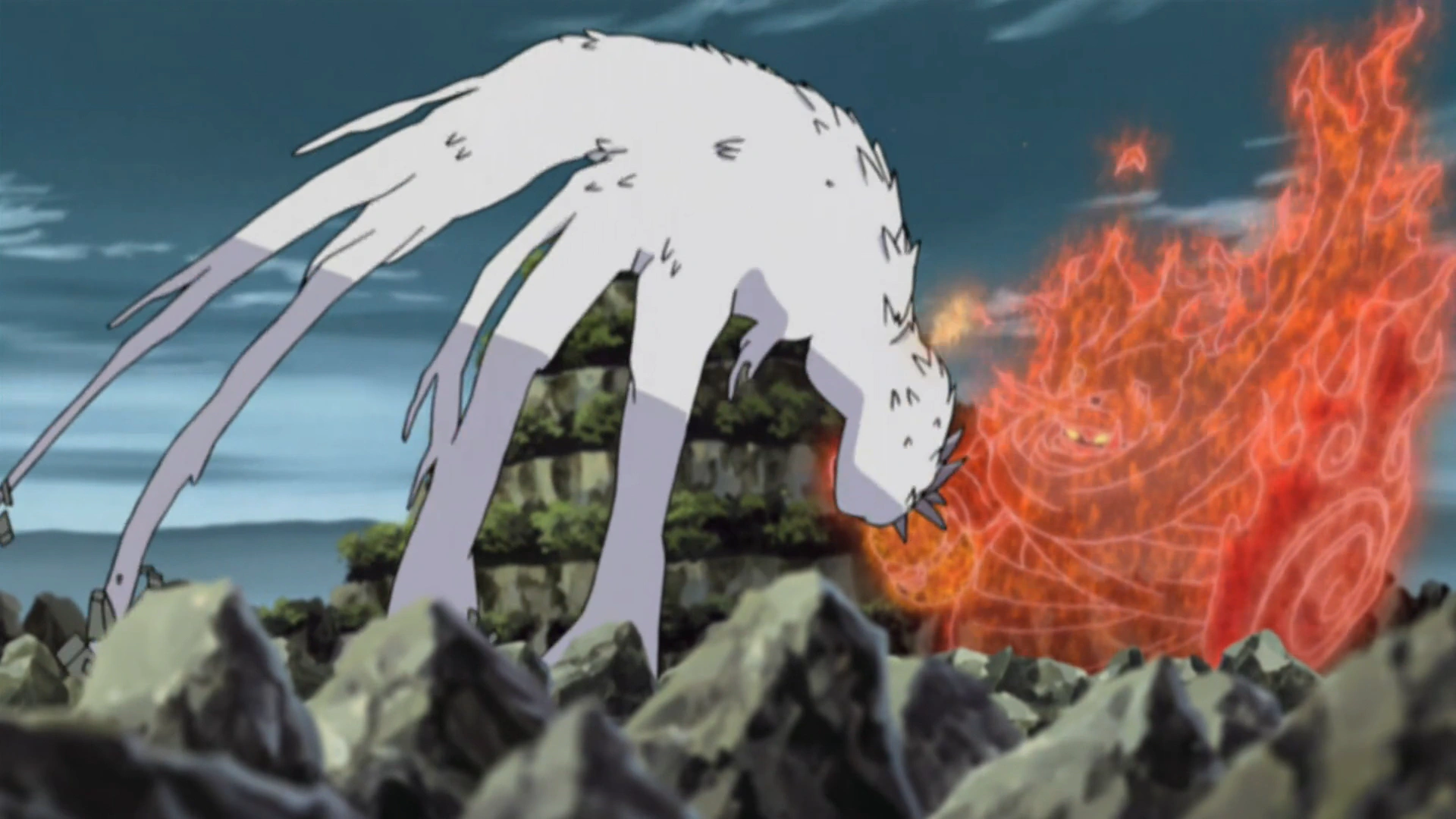
The sword can also cut through matter like a normal blade, thus granting a deal of versatility in how it is used. Being a variant of the Sword of Kusanagi, the sword can cut through almost anything, as seen when Itachi easily decapitated seven of the eight heads of Orochimaru's giant snake form. Zetsu stated that Orochimaru sought the sword for all his life but could never find it.
Along with the Yata Mirror, the Sword of Totsuka is a weapon wielded by Itachi's Susanoo, with the gourd being held by a second hand growing from its right forearm, while the actual blade is wielded by its right, foremost hand. Black Zetsu claimed that, together, these two weapons made Itachi's Susanoo invincible.
Influence
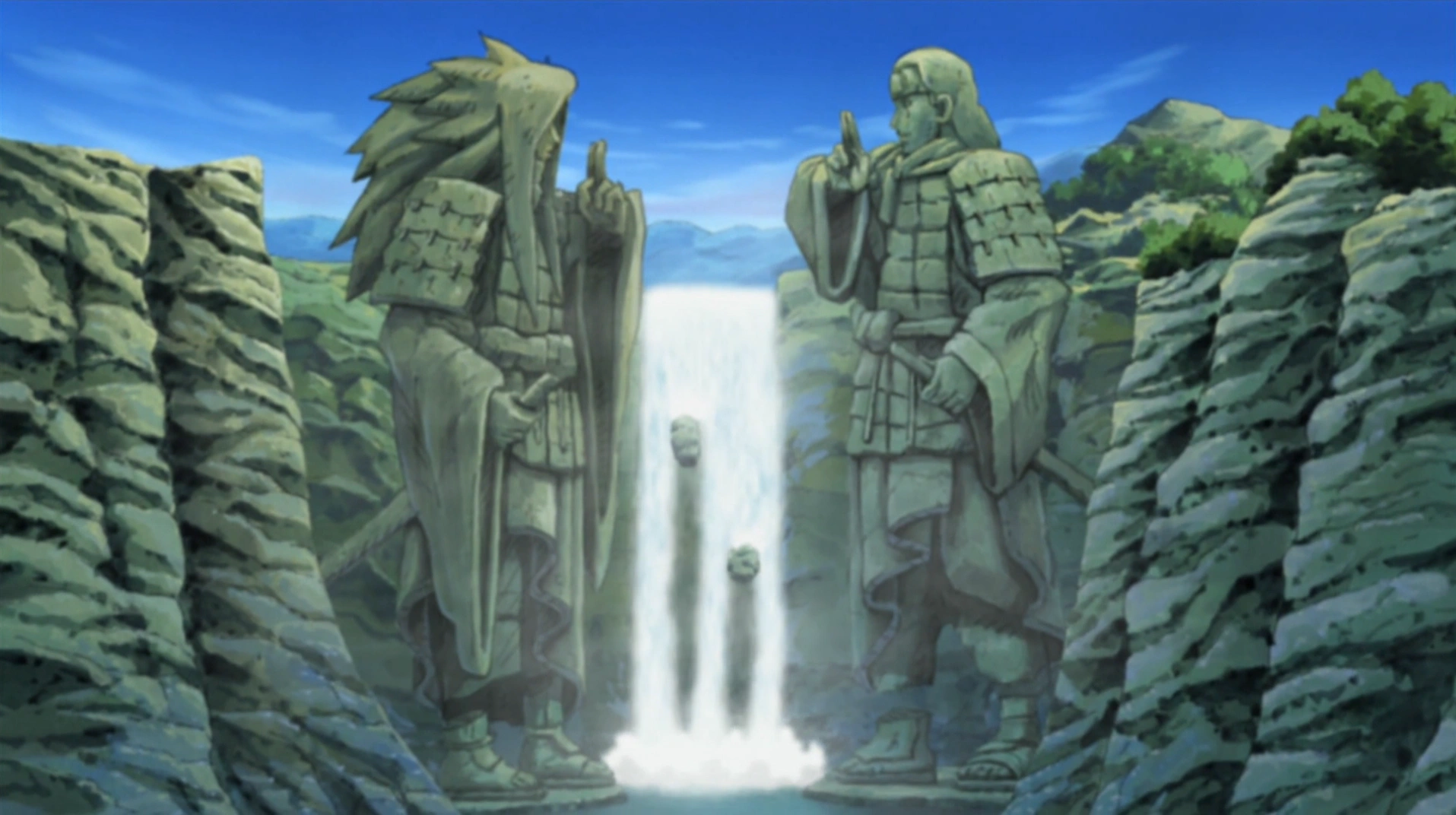
Totsuka no Tsurugi is a descriptive noun given to many generic swords said to be 10 hands long, including in Japanese myth. Example are the Ame-no-Ohabari (the sword used by Izanagi to kill his newborn son, Kagutsuchi) as well as the Ame-no-Habakiri (the sword used by the god Susanoo to slay the eight-headed and eight-tailed snake monster, Yamata-no-Orochi).
Sources
Adapted from the original article, under CC BY-SA 3.0.